


It is said that everyone in Japan is healthy. Maybe beautiful, though that lies heavily on the beholders eye. But an undisputed fact is that they are so healthy most of us will go green with envy. However it is a challenge for most college students to eat healthy. This mostly applies to the students who live in small and cramped dorms where very few types of equipment are allowed or can even fit. Thus, a challenge crops up on how to maintain a healthy eating habit with the limited supply of space, time, money and cooking appliances. However the range in the market of the many electronic appliances can best be used to turn any boring meal into a healthy and sumptuous meal, that is if you have the know-how.
Some of the common appliances that can come in handy and which are also commonly used by students are:
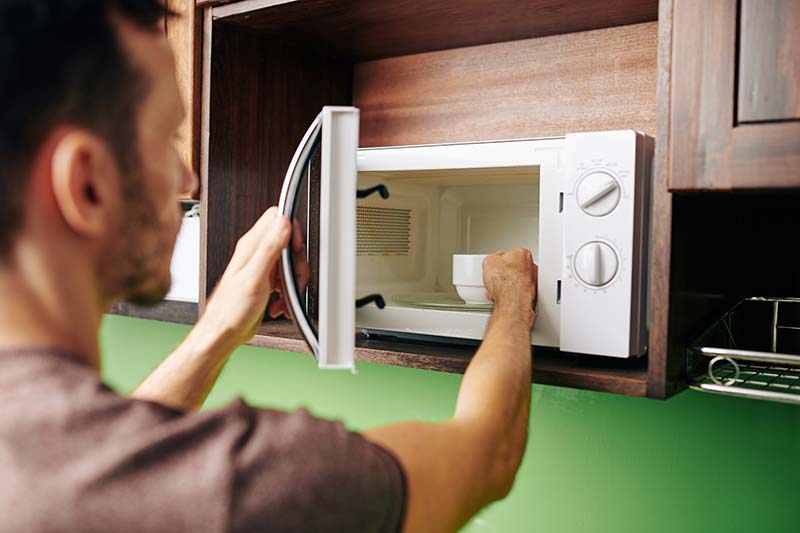
Microwaves
One can invest in these appliances. It helps in that it can cook a very large array of foods as we shall see in the later contents. When the power is set at high, averages of five to six minutes are required to cook it but on medium, it will be about 15-16 minutes. However it is better to test it out on your own to set your perfect timing. One can get the whole microwave set though it may need that you dig deeper in your pocket. This however at the end of the day is worth it.
Grill
Most vegetarians will realize that this equipment comes in quite handy. A George foreman grill seems to be most preferable for most people. Some of the foods that can be grilled are the tofu, burgers, pancakes and vegetables to mention but a few.
A kettle
Where there is a will, there definitely will be a way. A kettle is a living illustration of this belief. The myriad of things you can cook in it would surprise many a critics. The only thing is that cleanliness has to be observed strictly lest you end up with funny flavors.
Rice cooker
Rice being a staple food in Japan, there is also an equipment for it. Though one may opt for a microwave to it, having a rice cooker is not such a bad idea. The best ones to go for especially for a student are the ones that are pressurized and have the removable steamer. It might cost an extra dime but it is not comparable to the benefits. You might end up with, apart from cooked rice, rice porridge; boiled, steamed stir fried and even toasted foods. As long as the steamer can be removed a lot is possible. It is almost like a complete kitchen set.
A refrigerator
You don’t need to buy the biggest size, we have small ones that can keep the little extras safe for those days that you do not have time to whip together a meal.
There are more equipments in the market that have not been mentioned here but at least these will get the day going.
Having looked at them, let’s see what a typical healthy meal can be constructed from them. It is worth noting that unlike most western countries most Japanese don’t have a lot of sweet foods or rather sugary meals especially for breakfast.
Breakfast
Wheat bread with peanut butter some grilled vegetables in between, a hard-boiled egg from the kettle, coffee from the kettle, miso soup, and rice salad. Kayu, which is also rice soup, can be made in the kettle. These are some of the available options that are there but pancakes, hotdogs can be made from the steamer of the grill.
Lunch
During this hour, using the rice cooker, one can make their rice and steam vegetables on the microwave, baked tuna, the kayu which can be mixed with chicken or vegetables and seasoned with salt and other dressings.
Soups being another major serving in the Japanese foods can also be made by buying instant soups. These are made by adding water to the instant ready to make soups like miso soup that can be eaten with the rice balls.
Dinner
Grilled cauliflower or other vegetables, garlic and other spices, meat, hot sauce and rice when put in the rice cooker and left to cook makes for a very full meal. The grill can also make salmon and chicken. For a fruity meal, get solid fruits like apples and pears, mix them with butter or cheese, brown sugar for its health attribute, some water and ground spices and make a stew of it in the rice cooker. It blends well with oatmeal.
Snacks
Nori sea weeds, or microwaved popcorns and or toasted bread with the varied option of cooking methods for the fillings make for perfect snacks in between meals.
All these ways are quick and nutritious and they supplement or substitute the calorie filled meals that most colleges will offer. Some quick tips when using these appliances are:
- Ziploc bags which are used when steaming foods are helpful
- White medium grain rice or short grain rice cooks well in a microwave than brown rice. Brown rice takes longer to cook too. For those who do not have a fridge and need to retain the freshness of their rice for their breakfast, fluff off the rice from the edges of the cooking pot once it is cooked to allow excess moisture that would have been trapped in the mould to evaporate. This will ensure that it is not absorbed back in. Also washing it completely to clear water before cooking the rice helps a lot.
- Use ceramic utensils that are covered as compared to plastic bowls that can leach. Always ensure that foods are covered unless when it is impossible.
- Don’t use paper plates in the microwave as they might go up in flames. Some critics argue that using the microwave kills essential nutrients so for the vegetables instead of steaming them using it you can lay them up on the rice as it cooks on the rice cooker once the water is dried. This method not only retains most nutrients but also adds a distant new flavor to the rice, that is depending on the strength of the vegetables flavor.
Cleanliness cannot be overemphasized in using these appliances because of the health hazards that it exposes the users. Also, these meals are only suitable for the very purpose they have been written- that is for college kids. The reason is because they are a bit messy and they are not what you would present before your elders, however nutritional.
Piofront is Restaurant management company located at Shizuoka Hamamatsu Japan with services Restaurant business consulting, Japanese recipe making, restaurant menu designing.